


A comprehensive review of the secondary school curriculum is a critical step in ensuring that education systems remain dynamic, relevant, and aligned with the needs of both learners and society. In an era marked by rapid technological advancement, globalization, and evolving workforce demands, the traditional models of education are no longer sufficient on their own. Schools must go beyond simply transmitting knowledge and instead focus on equipping students with adaptable skills, critical thinking abilities, and a lifelong learning mindset.
One of the central goals of a curriculum review is to enhance relevance. Education should reflect the realities of the modern world, where digital literacy, innovation, and problem-solving are essential. While foundational subjects such as mathematics, science, and language remain important, there is a growing need to integrate interdisciplinary learning. For instance, combining science with technology and entrepreneurship can help students see the practical applications of their studies. A relevant curriculum also prepares students for both employment and further education, ensuring that they are not only knowledgeable but also capable of applying their learning in real-life contexts.
Equally important is the shift from rote memorization to competency-based learning. Traditional curricula often emphasize the recall of information, which may not translate into meaningful understanding or skill development. A reviewed curriculum should prioritize analytical thinking, creativity, collaboration, and communication. These competencies enable students to navigate complex challenges and contribute effectively in various environments. Active learning approaches, such as group discussions, projects, and inquiry-based activities, should be incorporated to foster deeper engagement and understanding.
Inclusivity is another vital dimension of curriculum reform. Secondary education must cater to diverse learners with different abilities, backgrounds, and interests. A well-designed curriculum recognizes these differences and provides flexible pathways for learning. This includes accommodating students with special educational needs, promoting gender equality, and ensuring equitable access to resources. Moreover, the curriculum should reflect cultural diversity and encourage respect for different perspectives, helping to build socially responsible and empathetic individuals.
The integration of technology is a key consideration in modern curriculum reviews. Digital tools are no longer optional; they are essential components of contemporary education. Incorporating technology into teaching and learning processes can enhance access to information, support personalized learning, and improve student engagement. However, it is not enough to simply introduce devices into classrooms. The curriculum must guide how technology is used effectively, ensuring that students develop digital competencies such as information evaluation, online collaboration, and cybersecurity awareness.
Assessment practices must also evolve as part of curriculum reform. Traditional examinations often provide a limited view of student achievement, focusing primarily on memorization and time-bound performance. A more balanced approach to assessment includes formative and summative methods, allowing for continuous feedback and improvement. Project-based assessments, portfolios, and practical evaluations can provide a more comprehensive understanding of a student’s abilities. These methods also encourage students to take ownership of their learning and reflect on their progress.
Teacher preparedness plays a crucial role in the successful implementation of any revised curriculum. Educators must be adequately trained and supported to adopt new teaching methodologies and integrate updated content. Professional development programs should be ongoing, providing teachers with the skills and confidence needed to facilitate learner-centered environments. Additionally, teachers should be involved in the curriculum review process, as their practical experience offers valuable insights into what works effectively in the classroom.
Stakeholder involvement is essential for a meaningful and sustainable curriculum review. Students, parents, educators, policymakers, and industry representatives all have a role to play. Engaging these stakeholders ensures that the curriculum reflects a wide range of perspectives and addresses real-world needs. For example, input from employers can help identify the skills that are most in demand, while student feedback can highlight areas where learning experiences can be improved.
Another important consideration is the balance between global standards and local relevance. While it is important for students to gain knowledge and skills that are globally competitive, the curriculum must also be rooted in the local context. This includes incorporating local history, culture, and environmental issues, making learning more meaningful and relatable. A curriculum that connects global and local perspectives helps students understand their role in both their immediate communities and the wider world.
Flexibility within the curriculum is also increasingly important. A rigid structure may not accommodate the diverse interests and career aspirations of all students. Offering elective subjects, vocational pathways, and extracurricular opportunities allows learners to explore their strengths and passions. This not only enhances motivation but also helps students make informed decisions about their future.
Furthermore, the review process itself should be continuous rather than a one-time event. Education systems must remain responsive to change, regularly evaluating and updating the curriculum to keep pace with new developments. This requires effective monitoring and evaluation mechanisms, as well as a willingness to adapt and innovate.
In conclusion, a secondary school curriculum review is a vital process that shapes the future of education. By focusing on relevance, inclusivity, competency development, and stakeholder engagement, education systems can create curricula that prepare students for the complexities of modern life. Such a curriculum not only imparts knowledge but also empowers learners to think critically, act responsibly, and contribute meaningfully to society. Ultimately, the goal is to nurture well-rounded individuals who are equipped to thrive in an ever-changing world.





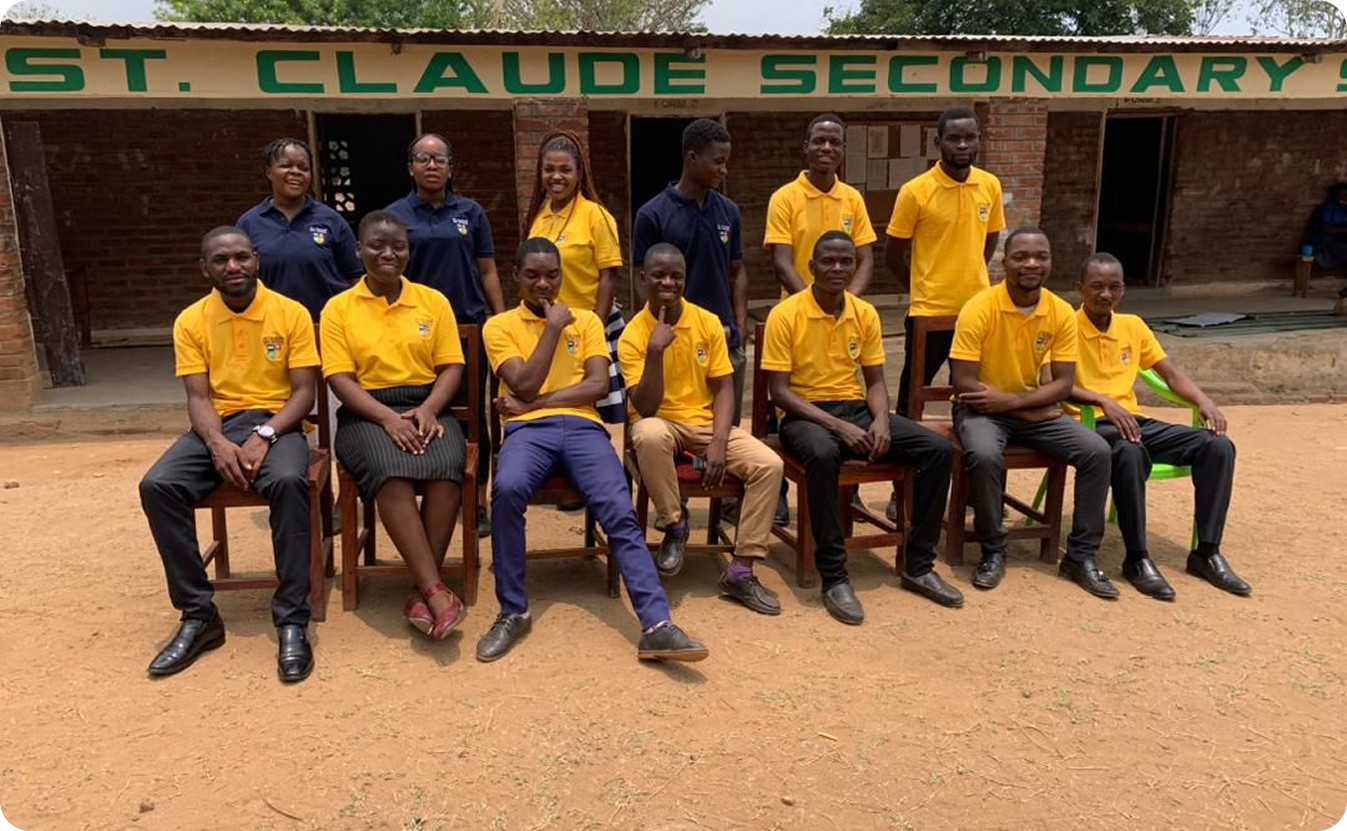
This is very brilliant, Bravo St Claude