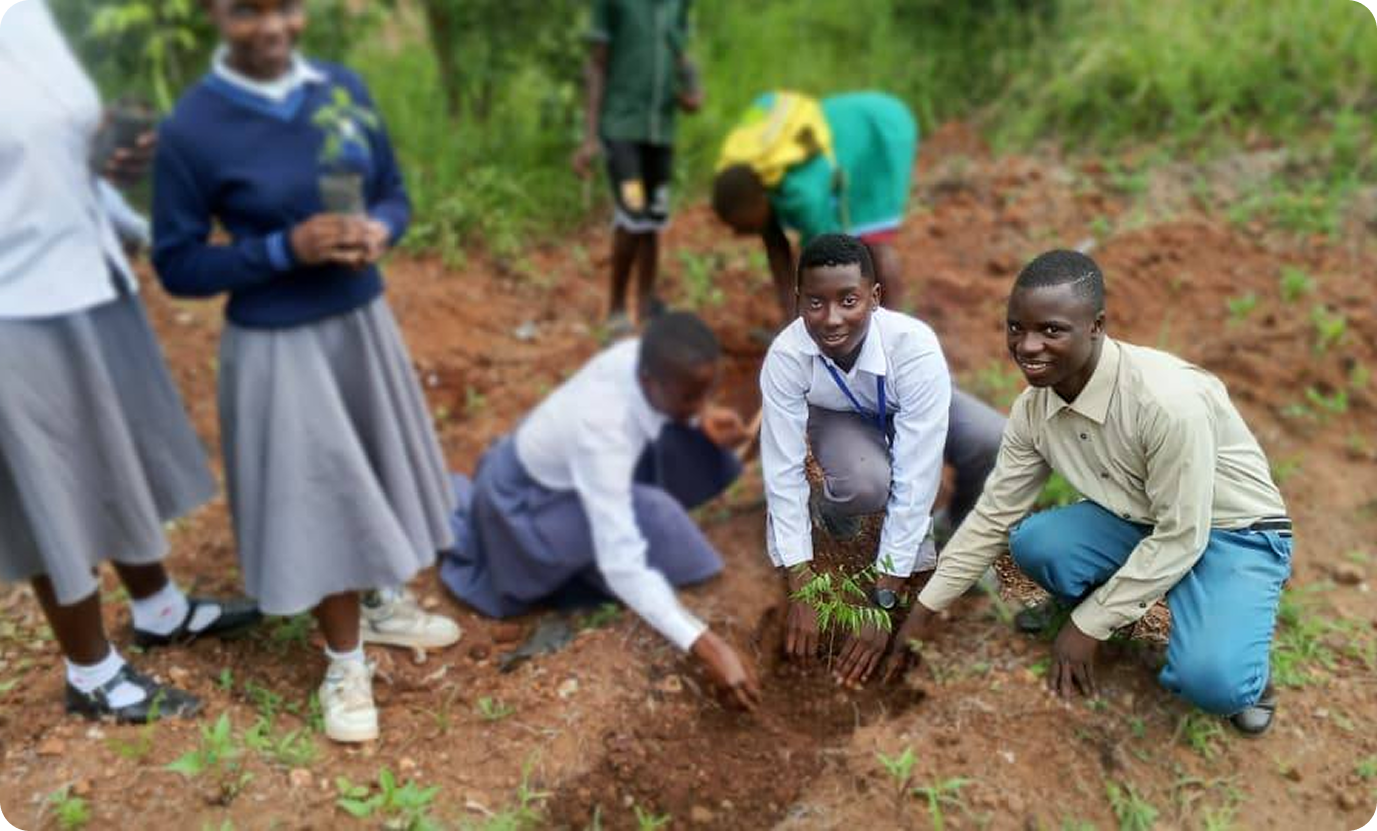
A school tree planting initiative is a powerful example of how educational institutions can take active steps toward environmental conservation while fostering responsibility among students. Such initiatives go beyond the classroom, allowing learners to engage directly with nature and understand the importance of preserving the environment for future generations.
Tree planting activities provide students with practical knowledge about ecosystems, climate change, and sustainability. By participating in the process—from preparing the soil to nurturing young seedlings—students gain a deeper appreciation of how trees contribute to clean air, soil conservation, and biodiversity. This hands-on experience reinforces theoretical lessons taught in subjects like science and geography, making learning more meaningful and impactful.
Moreover, a tree planting initiative promotes a sense of ownership and responsibility among students. When learners are involved in caring for the trees they have planted, they develop a lasting connection to their environment. This sense of stewardship encourages positive habits, such as protecting natural resources and advocating for sustainable practices within their communities.
The initiative also strengthens teamwork and collaboration. Students, teachers, and sometimes community members come together with a shared goal, fostering unity and cooperation. Working in groups to plant and maintain trees helps build communication skills and a spirit of collective effort, which are essential for both academic and personal growth.
In addition, school tree planting programs can significantly improve the physical environment of the institution. Trees provide shade, enhance the beauty of the school grounds, and create a more conducive atmosphere for learning. Over time, they contribute to reducing temperatures and improving air quality, making the school a healthier place for everyone.
Such initiatives can also inspire wider community involvement. When schools take the lead in environmental activities, they often encourage parents and local organizations to participate or replicate similar efforts. This ripple effect extends the impact beyond the school, contributing to broader environmental conservation efforts.
Sustainability is a key focus of modern education, and tree planting initiatives align perfectly with this goal. They teach students that small actions can lead to significant positive change. By instilling environmental awareness at a young age, schools help shape individuals who are conscious of their role in protecting the planet.
In conclusion, a school tree planting initiative is more than just an activity—it is an investment in both education and the environment. It nurtures responsible, informed, and proactive individuals who understand the value of nature and are committed to its preservation. Through such programs, schools not only enhance their surroundings but also contribute to building a greener and more sustainable future.